Councillors will meet next week to agree the future approach for removing weeds on the streets of Brighton & Hove.
Members of the City Environment, South Downs & The Sea Committee will be presented with a report when they meet on Tuesday 23 January which sets out three potential solutions for weed management and removal on hard surfaces from 2024.
Two of the options in the report recommend a shift of policy to tackle weeds and one is to continue with the current approach.
These options are:
- to continue to remove weeds manually until a cost-effective and viable non-glyphosate option is available
- to support the use of traditional glyphosate techniques
- to support the use of a controlled-droplet application of glyphosate
The report also recommends that the council continues the current policy to not use glyphosate in the city’s parks and open spaces where there are playgrounds, leisure activities and dog walkers.
The exception to this is when it is used to manage invasive species, which is already the case within the existing policy.
By not using glyphosate in our parks, it helps to protect a substantial habitat for wildlife and pollinator insects.
Background
Glyphosate is the active substance used in many herbicides (weed killers). It is approved as safe for use and subjected to extensive testing and regulatory assessment in the EU by the World Health Organisation.
Following a decision by the Environment, Transport and Sustainability Committee in November 2019, Brighton & Hove City Council ended the use of glyphosate to tackle surface weeds in our parks and on hard surfaces, such as pavements.
This has meant that manual methods have been used to remove weeds since then.
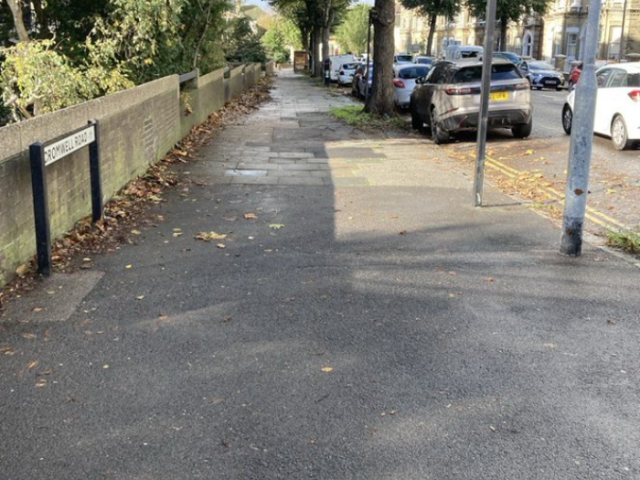
Despite our best efforts and new machinery, it has not been possible to remove most of the weeds from pavements in a timely manner. This has led to concerns about the look of the city, accessibility for those with mobility issues and, increased highways maintenance because of damage caused by weeds.
To cover the whole city we’d need an additional £369,000 on top of the current budget to manage the weeds once, which is unlikely to be sufficient to remove them effectively. It’s likely we’d need to do this three times a year, bringing the cost to over £1million.
The option of supporting the use of traditional glyphosate could be more effective at tackling weeds, and particularly their root systems, than the current approach. This approach continues to be used by many local authorities across the country. The report highlights the impact this may have on biodiversity.
The newer technique of a controlled-droplet application involves mixing the glyphosate with an oil that helps it stick to the weeds. This is a more targeted approach that limits the drift of a traditional ‘mist’ and uses less glyphosate, reducing the risk that it harms plants or wildlife that it’s not intended to come into contact with.
More information about the different options can be found in the committee report.
Improving the look and feel of the city
Councillor Tim Rowkins, Chair of the City Environment, South Downs and The Sea committee said: “We made a commitment to get on top of the weeds problem and have been thoroughly evaluating our options.
“We have a duty to ensure our streets, pavements and environment are safe and accessible for residents and to limit the damage weeds are causing to our highway infrastructure.
“Relying on manual removal hasn’t been effective and requires a lot of time and money. Even if we were able to resource it to the extent required, it would still only remove growth above the surface. Roots would continue to grow, and the problem would continue to get worse year on year.
“It’s important that the committee carefully considers and understands the implications of each option before making a decision.
“Not only do weeds make it harder for people with mobility issues and older residents to get around the city safely, but they also negatively affect the look and feel of the city.
“We want Brighton & Hove to be a tidy and welcoming place for our residents and visitors and effective weed removal will help that immensely.”