Due to the hot weather, some council services may need to change, but the majority of our services are operating as normal. Read our news story for more information.
Remembering the fragility of freedom this Holocaust Memorial Day
Saturday 27 January is Holocaust Memorial Day (HMD), the international day dedicated to victims of genocide.
Marking the anniversary of the liberation of Auschwitz-Birkenau, the largest Nazi death camp, HMD is a day when we remember all those millions of people murdered because of something that made them who they were – for example their ethnicity or faith.
We remember the 6 million Jews murdered during the Holocaust, alongside the millions of other people killed under Nazi Persecution and in subsequent genocides in Cambodia, Bosnia and Darfur.
This year’s HMD marks the 30th anniversary of the genocide against the Tutsi in Rwanda.
HMD is an opportunity to bring communities together to remember our common humanity, learn lessons from the past and to commit to standing up to bigotry, hatred and racism wherever we find it today.
Fragility of Freedom
The theme of this year’s HMD is ‘Fragility of Freedom’.
As we come together this Holocaust Memorial Day, we have a chance to reflect on how fragile and vulnerable freedom is, pledge not to take our freedoms for granted, and consider what we can do to strengthen freedoms around the world.
The theme reminds us that genocides never just happen. They begin as a subtle, slow process where those who are targeted for persecution have their freedom restricted and removed before many of them are murdered.
You can visit the HMD website to learn more about this year’s theme and read moving stories of genocide survivors.
Commemorating at the council
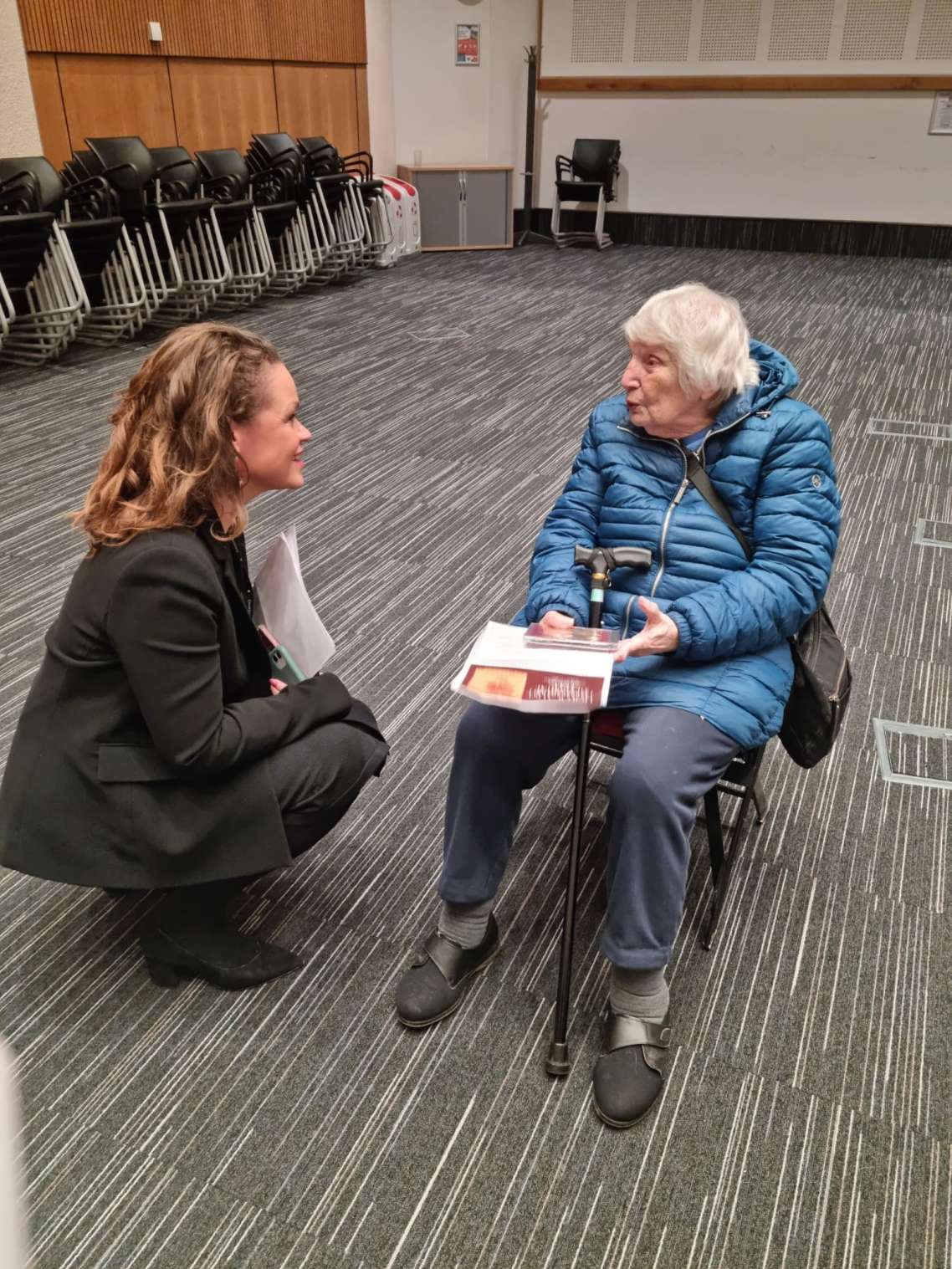
The council supported the Brighton & Hove Holocaust Education Project and Latest TV in commemorating the day, with an event held at the council chambers in Hove Town Hall on Wednesday 24 January.
The event comprised of speeches, short films, testimonies of survivors and moving performances by local and international artists.
Participants included members of Brighton & Hove’s Jewish community, Council Leader Bella Sankey, Councillor Leslie Pumm, chair of the Equalities, Community Safety & Human Rights Committee, Sussex Police and special guests.
For the last years, Latest TV has filmed dozens of films covering the art, music, poetry and literature of survivors as well as interviews, all of which are available online on Latest TV’s Holocaust Memorial Day vimeo channel.
Our common humanity
Council Leader Bella Sankey said: “It’s incredibly important that we come together this Holocaust Memorial Day to reaffirm our common humanity and remember the millions of Jewish men, women and children murdered during the Holocaust.
“We commemorate them along with millions of others persecuted by the Nazis including the Roma and Sinti, LGBTQ+ people, Black people, people with disabilities and Jehovah’s witnesses as well as all the victims of subsequent genocides in Cambodia, Rwanda, Bosnia and Darfur, who were killed because of something that made them who they were.
“I don’t think we can mark today without reflecting on the distressing reality, that last October saw the darkest day in Jewish history since the Holocaust. And since then over 25,000 Palestinians have been killed.
“I know that this escalation in violence overseas has been felt acutely here in Brighton & Hove. Residents who have lost loved ones and who, with the sharp rise in anti-semitism and anti-Muslim hate have felt the fragility of their own freedom.
“Freedom to live as our authentic selves, to practice or not practice our religions, to embrace our ethnicities, to love and live freely is essential and once lost, it can’t always be regained.
“I am very proud to come from such a diverse city, city that is welcoming, a city where people can find their sanctuary.
“But I am not complacent. I understand that vigilance is the price of freedom and that means working every day at this council and with partners across our city, in all our communities, in small ways and big ways to encourage respect and dialogue, to provide reassurance, to ensure that all of us feel free to be who we are, who we really are, and to walk the streets in safety.
“I believe that we owe it to those murdered in past genocides to recommit to offering sanctuary to those fleeing persecution today. This means upholding the valuable and precious commitments in the Refugee Convention, the Human Rights Act and the European Convention on Human Rights – together three powerful and enduring legacies of the Holocaust – reflecting as they do commitments in writing, and after so much blood was shed, that ‘never again’ will have the force of legislation and will be protected under the Rule of Law.
“If we try to see the good in others, rather than the bad and remember that there is more that connects us than separates us, we will find that while freedom might be fragile, our humanity doesn’t have to be.”