Due to the hot weather, some council services may need to change, but the majority of our services are operating as normal. Read our news story for more information.
Protecting children from the risks of early smartphone use
We’re supporting schools across Brighton & Hove to become smartphone free to protect children and young people from the risks of early device use.
Research suggests that smartphones and social media can have negative effects on children and teenagers. In the UK, 89% of 12-year-olds now own a smartphone, and so do a quarter of children aged 5 to 7.
UK teens spend an average of 25 hours a week on their smartphones – equivalent to a full-time job. Compared to previous generations, children growing up today spend less time outdoors, less time playing, less time reading and less time moving.
Evidence shows a direct link between early smartphone use and declining mental health, while smartphones also expose children and young people to harmful content, such as cyberbullying and grooming.
Smartphone Free Childhood
The Smartphone Free Childhood campaign was launched in the UK in early 2024 by parents to advocate for delaying children's access to smartphones, promoting device-free childhood until age 14.
As a result of the campaign, over 140,000 parents from 13,500 schools have signed a pact pledging to delay their children’s use of smartphones.
We are encouraging parents and carers across the city to support the initiative and protect their children’s mental health and wellbeing by agreeing not to provide a smartphone until their child is 14, unless they have a specific need for one.
Smartphone free schools
We are in full support of schools in Brighton & Hove choosing to become smartphone free.
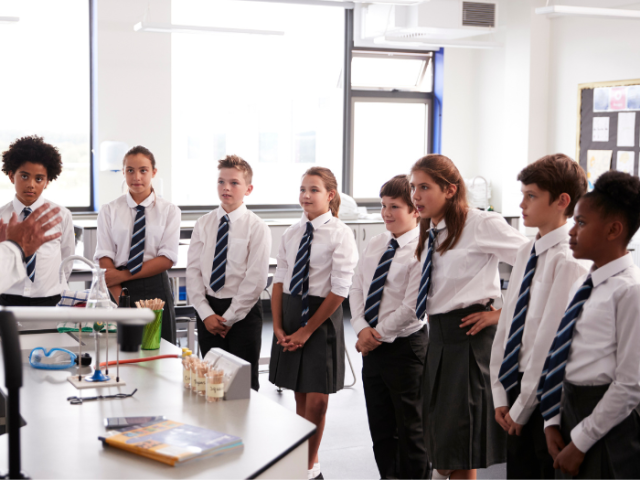
The majority of secondary schools in the city have a smartphone-free policy, while most of our primary schools do not allow phones to be used during the school day. Several local secondary schools have also introduced parent pacts for students in Year 7.
Safeguarding learning and wellbeing
Councillor Emma Daniel, Cabinet member for Children, Families and Youth Services, said: “The impact smartphones are having on our young people is worrying, and we know this concern is shared by many parents, school leaders, teachers and school staff.
“I’d like to thank local campaigners for their hard work raising awareness of the risks of early smartphone use and schools for supporting this initiative which will help safeguard children’s learning and wellbeing.
Smartphone Free Childhood has published a range of resources, guides and tools for both parents and carers and for school staff. Visit their Resources for Parents and Resources for Teachers pages for more information.
Children and young people may use a variety of devices to work and play online. For parents and carers who want to support their child’s online safety, the Public Health Schools programme recommends Internet Matters tools, which offer up to date information and advice about the platforms and spaces children and young people may be accessing online.