Growing connections with food and nature in the city’s schools
Five primary schools in the city are piloting food growing in their grounds, thanks to funding from Little Tums, a local catering service for nurseries.
The schools, St Martin’s CE Primary, Aldrington CE Primary, St Andrew’s CE Primary, Brunswick Primary and Saltdean Primary, are taking part in a year-long programme that will support them to design and install growing areas, train teachers in growing skills to work with the children, and enable children to grow a range of fruit, vegetables and herbs, from beans and berries to salad and strawberries.
Together they will learn the whole process, from sowing seeds and growing on young plants, to harvesting and eating the produce!
Sharing learning across the city
UNESCO recently highlighted the excellent work at Goldstone Primary, where horticulturalist Ruth Chalker has been working with classes to ensure all children get opportunities to grow and eat their own food. This learning is being shared with the 5 schools in the pilot.
Ruth said: “Understanding where food comes from, the impact on the environment and the whole education around food seems to have been removed from a lot of families’ lives – that’s why putting it into primary education is so important. Growing food in school grounds is such an inclusive activity – when you watch children within a classroom, there are always children that struggle, but put those children in a garden, they'll all find a job that they love, get fully involved and learn lifelong skills.”
The project is co-ordinated by the Our City, Our World environmental programme, as part of The Living Coast UNESCO Biosphere and supported by Brighton & Hove Food Partnership.
Physical and mental health benefits
With one in 3 children leaving primary school overweight or obese, enabling children to grow and eat their own food has many physical and mental health benefits, as well as a positive impact on academic outcomes, wellbeing, teamwork and confidence. It also allows children to connect with and appreciate nature, learn how to be sustainable and make healthy food choices.
Councillor Tim Rowkins, Cabinet member for Net Zero and Environmental Services, said: “There are some fantastic initiatives happening with our local schools that are giving children hands-on experience so they can see where their food comes from. This includes growing their own produce, learning about healthy food, reducing waste and composting, and visiting local farms as part of the Farm School project.
“Several schools in the city already provide opportunities for children to grow their own fruit and vegetables, but in others, teachers may lack the time, expertise or resources, so this project is enabling more schools and children to be included.
“I’d like to thank Little Tums for funding the food growing pilot which is supporting more schools to develop growing spaces and link with the curriculum.”
Developing growing spaces and creating lasting connections
Maddy Alexander, Outdoor Learning Lead at Brunswick Primary said: “I was excited to hear about the project as we have an underused outdoor space. I want to develop our school environment so that more children can be involved with growing food.
“Connecting children with what they eat by getting them involved with growing their own food is crucial. They will care more, value their fruits and vegetables more, understand about sustainability and ultimately know why it’s criminal to waste food.
“I came away from the first session feeling so inspired. Ruth has created a magical garden at Goldstone, and I’m delighted that she’s helping us to develop our growing space at Brunswick.”
Some of the schools have large outdoor spaces, others small urban grounds. Brighton & Hove Food Partnership is connecting them with their community of food growers in the city and recruiting volunteers to help with practical tasks and maintenance, as part of the Edible Brighton & Hove initiative.
The Food Partnership is also supporting schools to start on-site composting. This will support growing by generating quality living soil and also cut down food waste.
Little Tums director Charlie Hall said: “We’re proud to support a programme that not only encourages children to spend more time outdoors but also teaches them where their food comes from. The children gain a real sense of achievement when they finally get to enjoy the fruits of their hard work. It’s a wonderful way to help young people build a positive, lasting, healthy relationship with food and nature.”
More information
Brighton & Hove’s Food Strategy, updated last year, includes a commitment to increase local food growing. Read the Food Strategy Action Plan on the Brighton & Hove Food Partnership website and see how you can get involved.
Could you help create living classrooms in our city’s schools? Find out more about the Dig for Schools project at the Brighton & Hove Food Partnership.
Discover the Our City, Our World environmental education programme.
See the film of Goldstone Primary School’s food growing on Instagram
Related news
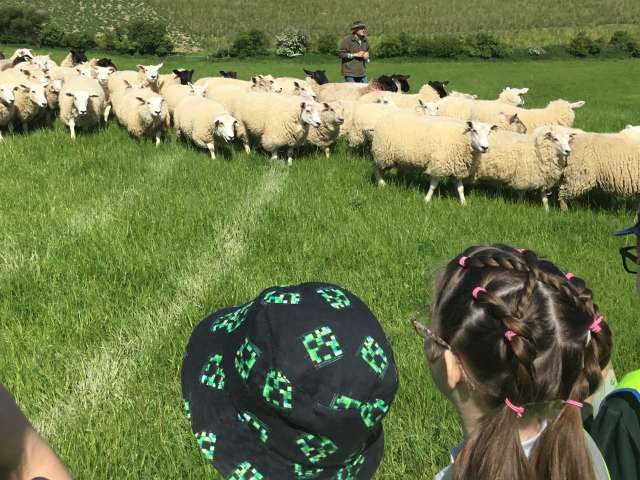
Connecting children with food, farming and nature
Children across the city have been taking part in a project which offers a unique opportunity to explore farms on the South Downs.
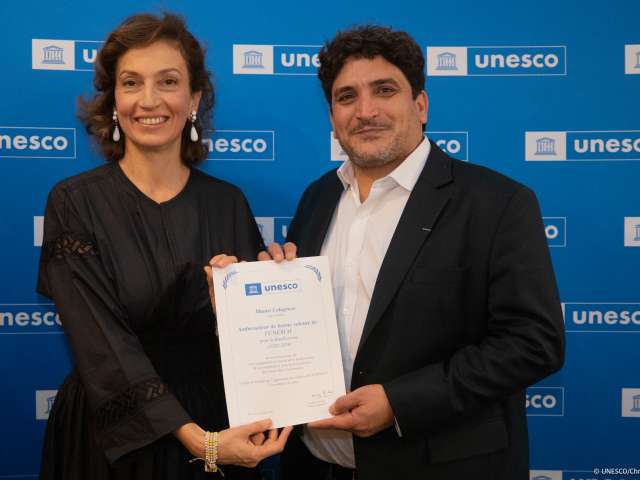
World-renowned chef visits food & nature initiatives as city hosts UNESCO biospheres gathering
Representatives from the UK’s biospheres and a world-renowned chef will meet in Brighton & Hove this week for an event that will focus on nature, food and community.
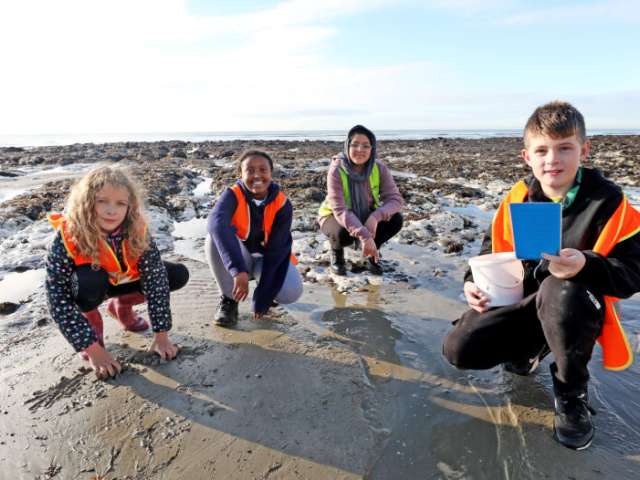
Trailblazing environmental education programme wins £100,000
Our City, Our World, has won £100,000 funding to develop environmental education in the city and beyond.