Major investment in clean energy comes a step closer
This week, the council has begun engaging with potential investors and delivery partners to shape the future of energy in the city.
We are seeking a Strategic Energy Partnership to unlock major investment to decarbonise buildings and transport to drive down emissions and bills and boost the local and regional economy.
Brighton & Hove’s energy prospectus sets out the opportunity for a new kind of partnership between the public and private sector to deliver ambitious, high-impact projects.
Delivering energy projects for the city
The council is inviting input from potential partners to help shape a future partnership that would accelerate delivery of projects identified by the city’s Decarbonisation Pathways Study. These range from heat network zones in the city centre and energy efficiency ‘retrofits’ for homes and businesses, to solar generation on rooftops and electric vehicle charging infrastructure.
Heating and transport are the largest contributors to our greenhouse gas emissions. Moving these energy systems from fossil fuels to low-carbon technologies will have a major impact on our emissions as a city, as well as improving air quality and reducing bills for our residents and businesses.
Projects identified include a city centre heat network, potentially connecting public and commercial buildings such as the Brighton Centre, Royal Pavillion, Churchill Square Shopping Centre and The Royal Sussex County Hospital, as well as homes, hotels and businesses; a 10-hectare solar farm site; and installation of public and private EV charging hubs.
The scale of these projects will provide a major boost for the local and regional economy, including the creation of new jobs.
Investing in the city's future
Councillor Tim Rowkins, Deputy Leader and Cabinet member for Net Zero, said: “There is no route to net zero without major investment in our energy system, replacing fossil fuels with renewables and low carbon technologies. We are seeking a partnership that will unlock investment on the scale required to deliver our ambitious pipeline of projects.
“Such a partnership will support local economic growth and new skills, with the potential to create 2,500 new jobs and provide clean energy and warmer homes and businesses throughout the city.
“Crucially, our vision is grounded in delivering tangible projects based on our evidence-based Decarbonisation Pathways Study. This study identified more than 100 priority projects to decarbonise heat, power, buildings, and transport to drive forward the city’s energy transition.”
Brighton & Hove has some of the best conditions for investment outside of London according to a recent report*, and the council’s Strategic Energy Partnership procurement aligns with a major leap forward for energy decarbonisation regionally and nationally.
Linking in with UK energy initiatives
The roll‑out of Great British Energy’s Local Power Plan, the UK Government’s £15 billion Warm Homes Plan, and changes to Minimum Energy Efficiency Standards (MEES) to improve energy efficiency in rented homes and businesses, provide a timely national framework within which Brighton & Hove can accelerate delivery of local energy projects.
In addition, a Sussex & Brighton Combined County Authority will bring a powerful boost to the region, enabling low carbon energy for communities across Sussex through long‑term investment funding, and new responsibilities over infrastructure, skills and heat network planning.
Setting out the opportunity
Brighton & Hove City Council is open to a wide range of partnership models and is now testing the market, inviting ideas and expressions of interest with a view to launching a full procurement process later this year.
Major opportunities for long-term investment include:
- A 10-hectare solar farm on council-owned land next to the Amex stadium.
- Heat networks in Brighton city centre, together with an area of Kemptown, with 20 smaller heat network opportunities in other parts of the city.
- Energy-efficiency upgrades for homes and commercial buildings – with households and businesses benefiting from significant energy savings as a result of specific, simple fabric improvements.
- Heat pump installations: There are around 37,000 heat pump ready domestic properties currently using gas or electric heating, of which nearly 4,000 are owned by the council. Heat pump opportunities for non-domestic properties are expected to exceed 2,400 properties, 20% of which are on council land.
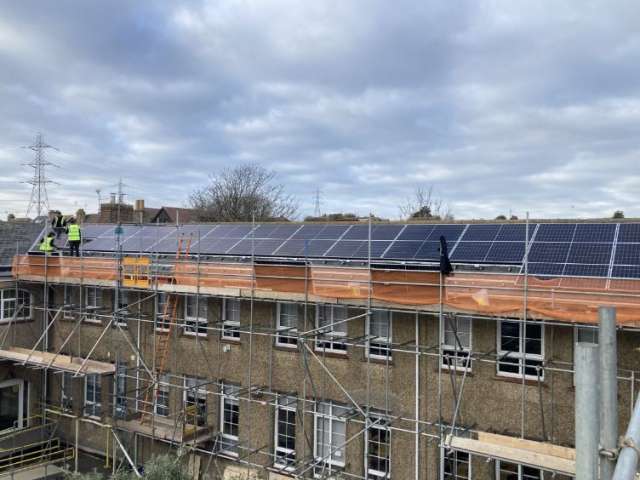
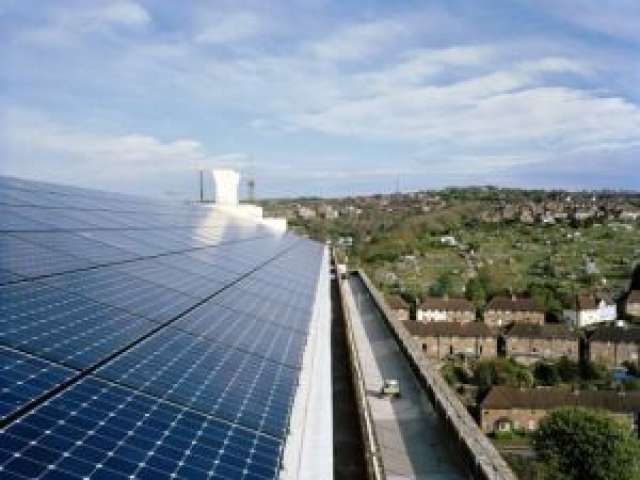
- As the sunniest city in the UK, Brighton & Hove has enormous potential for rooftop solar generation.
- Major contracts were agreed last year to install thousands more electric vehicle chargepoints and the city has untapped potential for fleet and rapid‑charge hubs, including on council land.
Read the prospectus and additional information on our website
Read the Decarbonisation Pathways Study
*Greater Brighton: Evolving the City Region, January 2024.
More information
In Brighton & Hove:
- 86% of homes are heated by gas, mostly through gas boilers
- more than 70% of domestic properties have an Energy Performance Certificate (EPC) of D or below, with a requirement for private rented homes to reach EPC C by 01 October 2029.
- 61% of non-domestic properties have an EPC of D or below, with Government due to announce changes to Minimum Energy Efficiency Standards (MEES) for commercial real estate
- around 97% of private vehicles registered in the city are powered by petrol or diesel
Learn more about clean and affordable energy, restoring nature and adapting to climate change in our net zero hub.
Related news
City keeps its A-grade for climate and nature leadership
Brighton & Hove is on the A list of cities worldwide for its work on net zero and biodiversity.
Brighton & Hove in top 10% of councils for climate action
Brighton & Hove has been ranked among the top 30 councils for climate action by Climate Emergency UK.
Brighton & Hove sets course for net zero with ground-breaking study
Our new energy study identifies priorities to create a cleaner, sustainable environment for homes and transport, provide new skills and improve the lives of residents.