Councillors have agreed a new approach to tackling the problem of weeds on the streets of Brighton & Hove as part of a “reset” to get the city’s weed problem back under control.
At a meeting of the City Environment, South Downs & The Sea Committee last night (Tuesday 23 January), Committee voted to use a controlled-droplet application of glyphosate to manage and remove weeds from hard surfaces.
This will involve mixing the glyphosate with an oil that helps it stick to the weeds. It means we’ll use less of the herbicide than traditional methods while reducing the risks to other plant species and wildlife.
The use of a controlled-droplet application of glyphosate on hard surfaces will begin this spring. It’s use will be limited to roads and pavements. Parks and open spaces will remain herbicide free, other than when dealing with invasive species.
Keeping residents safe
Councillor Tim Rowkins, Chair of the City Environment, South Downs & The Sea Committee said: “Having spent several months thoroughly assessing the options, we have now agreed this new approach which will get the problem back under control safely and in a way that minimises any risk to biodiversity.
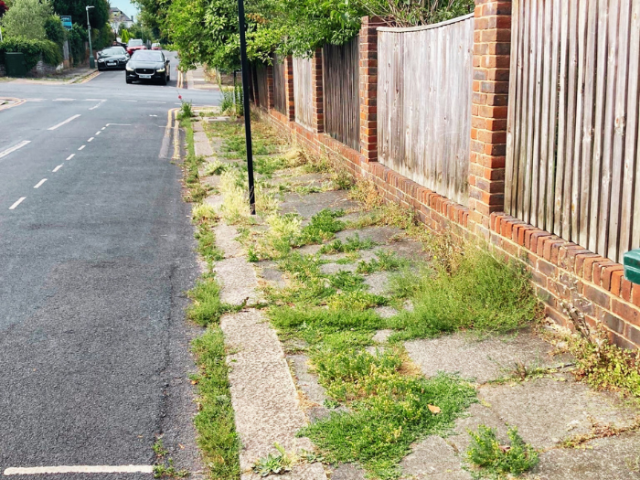
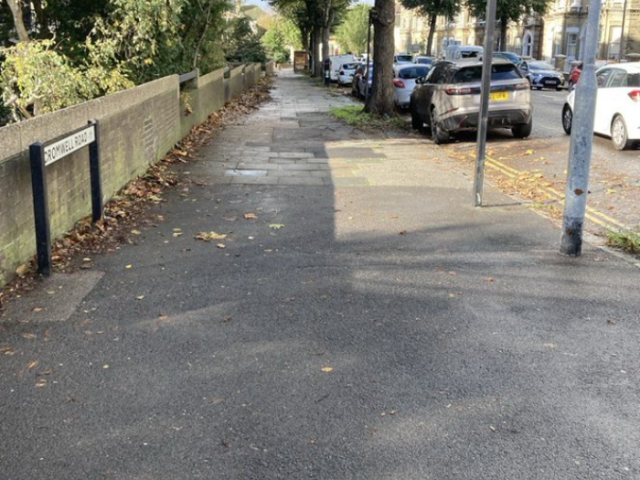
"Since 2019, we have been reliant on manual weeding alone. After 5 years, the problem is now out of control and many pavements present serious safety and accessibility problems for our residents. Manual weeding alone simply hasn’t been effective and has left some streets inaccessible to wheelchair users, parents and carers with buggies and those with visual or mobility impairments.
“We must balance the need to keep our residents safe and our pavements accessible with protecting the city’s biodiversity and we believe that this represents a sensible middle ground.
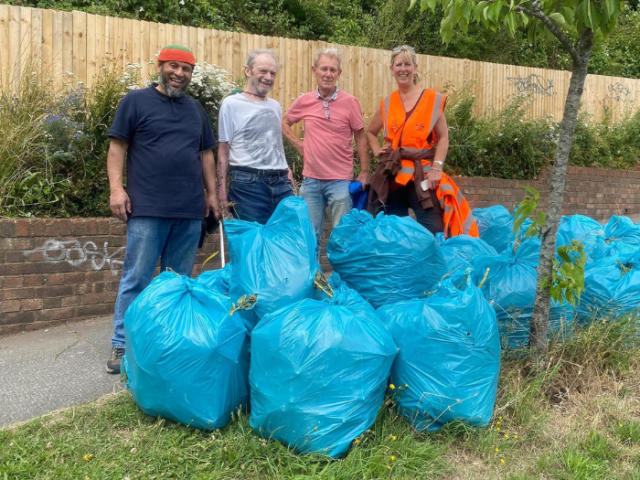
“The controlled-droplet application means we will be using less of it, specifically targeting the problem weeds and greatly reducing the harm it would do to other plants and local wildlife. This will only be applied to visible weeds on roads and pavements, and so any streets that are maintained by residents or community groups would require little/no treatment.
“Once the problem is back under control, we will reduce the use of glyphosate to the lowest level possible. We will of course keep this under review and explore any viable alternatives should they become available. For now, this new approach will mean our streets will be safer and our city will look all the better for it.”
More information
Glyphosate is a regulator approved herbicide, considered safe to use across the world and is used by local authorities all over the country. The EU re-approved it for use for another 10 years in December 2023.
The committee report with more information can be found on the democracy pages of our website.