The Wild Park rainscape is being guided by research from the University of Brighton, led by Professor Martin Smith, Professor of Geochemistry at the School of Applied Sciences, with support from MRes Geoscience graduate Polly Walters.
Combining engineered solutions with natural processes, the rainscape filters out polluted water from road runoff before it drains underground into the chalk aquifer which provides over 90% of the city’s drinking water.
Every time it rains, millions of litres of water wash off roads, carrying a dangerous mix of oil, tyre particles, heavy metals, and microplastics. This stormwater runoff is a largely unseen but significant pollutant, affecting rivers, wetlands, and groundwater in the UK and across the world.
How the rainscape works
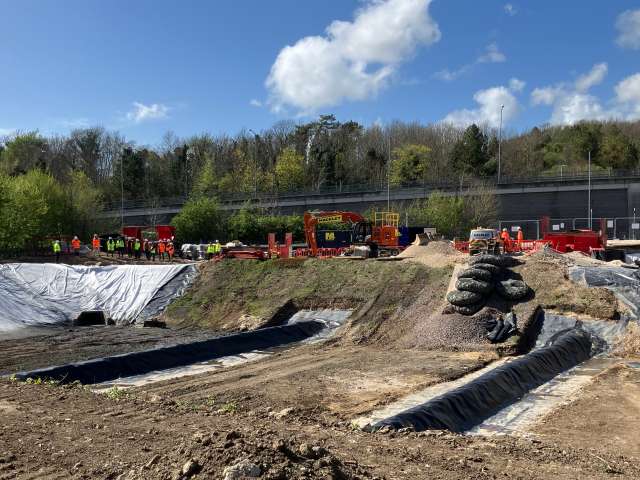
Built beside the A27, one of the busiest roads in Sussex, the Wild Park rainscape aims to address this problem. Water from the road travels along a 1.2-mile route, passing through multiple filtration stages before it reaches the ground. Two vortex separators remove the bulk of solids, while planted basins of reeds and grasses, along with sunlight and microbes, break down the remaining pollutants. By the time water leaves the system, it is clean and safe.
Professor Martin Smith explained: "When polluted water from our roads seeps into the aquifer, it’s not just a scientific problem – it’s our drinking water, our children’s health, and our local environment at stake. Projects like the Wild Park rainscape make sure the water we rely on every day is safe.
“Working with the council and other partners has allowed us to demonstrate the need for this kind of project and to undertake research and teaching involving geography, environment and engineering students to demonstrate how well these systems work, and to understand the processes involved to inform the design of future projects.”
The power of partnerships
The Wild Park rainscape partners include The Aquifer Project, part of The Living Coast UNESCO Biosphere, with the council leading construction.
Councillor Trevor Muten, Cabinet member for Transport and City Infrastructure said: “The Wild Park rainscape is a fantastic demonstration of what can be achieved when people and organisations work together to find practical ways of adapting to climate change.
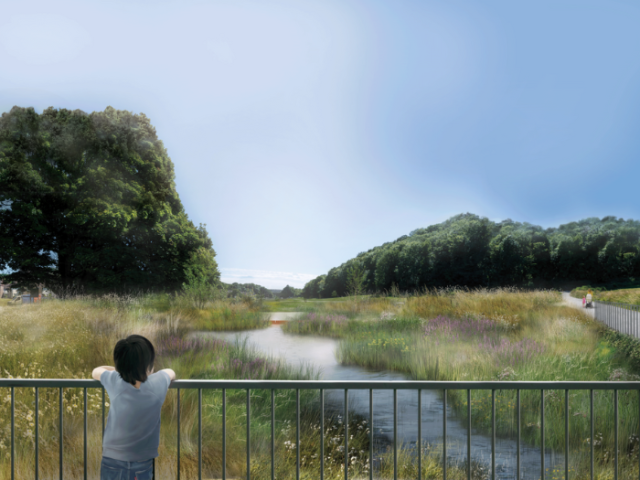
“The rainscape is a ground-breaking project in more ways than one. Using the natural capacity of ponds and reed beds with specially designed infrastructure, the rainscape captures stormwater run-off from roads helping to prevent flooding and provides a stunning new landscape for people and wildlife in Wild Park.”
Wild Park’s rainscape goes far beyond some drainage systems – which let polluted water sink into the ground or enter surface waters. The rainscape not only filters pollutants but also slows water flow to reduce flood risk and creates new habitats for wildlife. As climate change brings heavier rainfall, the project offers a practical model for cities worldwide to address increasing stormwater pressures.
Rainscape research
Before construction began, the University of Brighton team monitored runoff from the A27, establishing a baseline for pollutants. Their studies revealed the scale of road runoff pollution: water in the area contained higher levels of contaminants than recommended.
Lead, a remnant from older fuels, chromium from road markings, and polyaromatic hydrocarbons from tyres and asphalt were all present. Much of this pollution travels as solid particles, which can move long distances, linger in soil and waterways, harm wildlife, and even enter the food chain, posing a threat to human health.
Laboratory tests by Professor Smith and Walters showed that much of this contamination could be captured before it reached the soil. Removing solids alone addresses around 80% of the pollutants, with plants and natural processes handling the rest.
Research will continue to measure the rainscape’s impact on water quality, pollutant removal, and biodiversity, providing a science-based model for cities worldwide facing similar stormwater challenges. Monitoring will reveal how well the system performs and provide valuable insights to guide the design of future projects.
Our council plan
Strengthening knowledge and innovation partnerships working with the city’s two universities is part of our Council Plan. This project showcases our ambition to be a city where people and nature thrive together and highlights the drive to turn research into real-world solutions that protect vital resources, support wildlife, and improve the lives of residents.