A shared vision for a circular Brighton & Hove
The circular economy isn’t a niche idea — it is a practical, community‑focused approach shaping the future of Brighton & Hove. With residents at its heart, the city’s Circular Economy Routemap sets out a hopeful, actionable path to a cleaner, fairer, more resilient place to live. Through collective effort and everyday choices, we can build a city where waste is designed out, resources flow responsibly, and prosperity is shared.
Why circular matters for residents
The shift towards a circular economy isn’t just about environmental protection — it’s about strengthening local communities, creating new skills and jobs, and ensuring long‑term resilience.
The routemap recognises that a circular future helps protect residents and businesses from climate, economic, and social challenges.
For households, circular approaches mean:
- lower costs through repair, reuse, and sharing
- reduced waste and cleaner neighbourhoods
- improved local supply chains that support small businesses and community initiatives
- healthier natural environments through reduced pollution and regenerative practices
What circular means to people
For many residents, going circular feels like:
- making mindful choices about what they buy, how they use items, and what they do with them afterwards
- connecting with community efforts such as repair cafés, reuse hubs and local composting schemes — all highlighted as key circular projects within Brighton & Hove
- feeling empowered, knowing that small changes contribute to a larger transformation across the city
- being part of a collective movement that values care for the environment, fairness, creativity, and resourcefulness
Brighton & Hove’s routemap is designed as a living strategy that evolves with residents’ needs, behaviours, and shared ideas. This community‑centred approach is central to unlocking the city’s circular potential.
Why consumer behaviour matters
Consumer habits drive both the problem and the solution. Globally, around 80% of environmental impacts are set at the design stage of products, but residents’ choices influence what gets designed, produced, and sold.
Choosing durable goods, supporting local and regenerative businesses, reducing food waste, or opting for rentals and repairs sends a clear message that the community values circular alternatives.
Behaviour change doesn’t have to be dramatic; it can be a series of small, everyday decisions, including:
- repair instead of replacing
- buying used or refurbished
- sharing tools, appliances, and skills
- recycling and composting correctly
- supporting local circular businesses
These actions create demand for more circular services and help build resilience into Brighton & Hove’s economy.
How we can make positive change together
Brighton & Hove’s Circular Economy Action Plan encourages collaboration between residents, businesses, community groups and research institutions. It aims to:
"empower the city to end wasteful practices, do more with less, achieve carbon neutrality, and support the recovery of nature.”
Residents can help drive positive change by:
1. Taking part in community initiatives
Projects like Climate for Communities, repair cafés, neighbourhood reuse hubs, and regenerative food programmes are already helping reduce waste and strengthen local networks.
Brighton Repair café – where you can learn how to repair your things with help from volunteers.
We Build Brighton CIC – engages with communities on projects focusing on circular economy through building, growing and cooking.
2. Reducing food waste
Food waste prevention is a major priority in the city’s updated Route Map and Food Strategy. Weekly food waste collections are being rolled out by April 2026 to support this mission.
The Real Junk Food Project Brighton – takes food waste destined for landfill and uses it to feed people who need it, on a ‘pay as you feel’ basis.
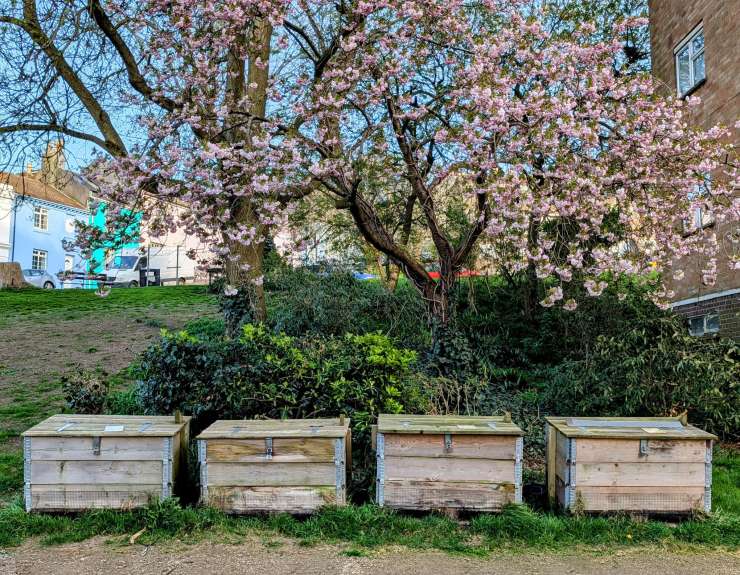
Community composting - (pictured right) provides a solution for residents without gardens who cannot compost at home. There are dozens of community compost schemes in parks, allotments and community gardens in the city.
3. Rethinking what we buy
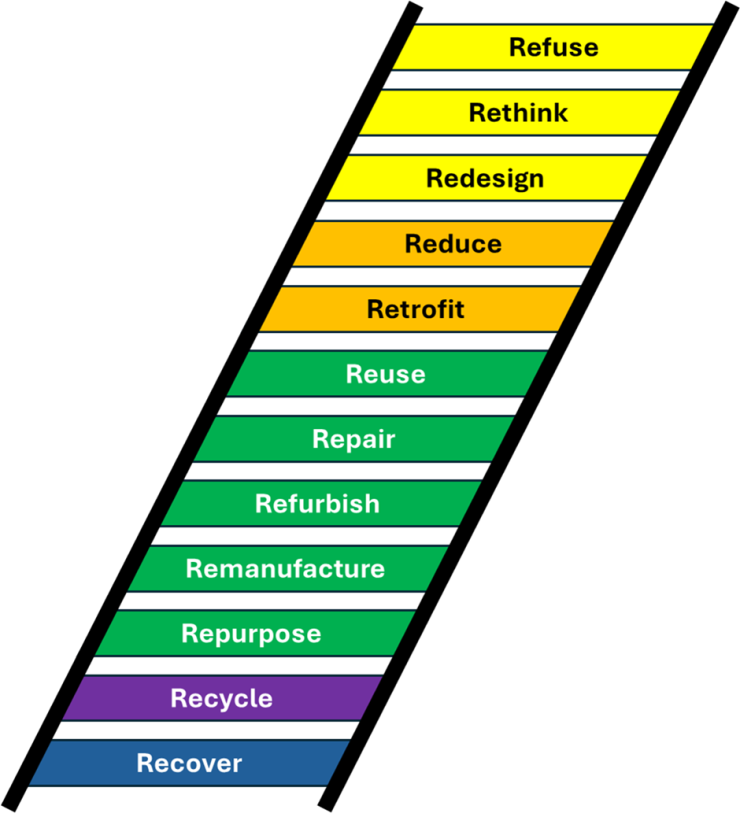
Opting for second‑hand, choosing products designed for longevity, and avoiding unnecessary packaging all contribute to circular progress.
Smarter Uniforms – an online marketplace where you can buy, sell, or donate second-hand school uniforms in Brighton & Hove, making them affordable, sustainable, and accessible for all.
Brighton Bike Hub – a volunteer-run project, offering affordable cycling by providing a choice of refurbished bikes at bargain prices and access to tools and training.
4. Supporting local circular businesses
Brighton & Hove is home to innovative enterprises leading the way in reuse, remanufacture, repair, and low‑impact production. Supporting them keeps wealth, skills, and jobs local.
Beryl Bikes – a bike hire company focusing on sustainability through long-term durability, repairability, and keeping vehicles in use for as long as possible. When they can no longer be repaired, the company works with partners to recycle as much as possible.
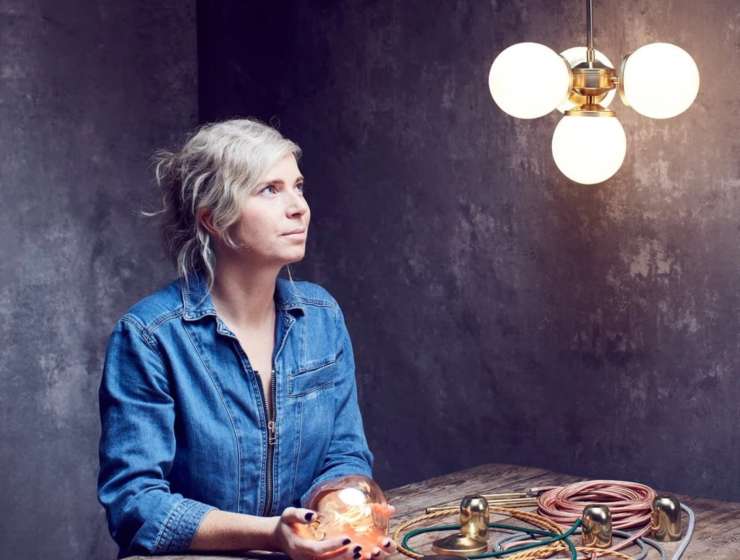
Spark and Bell – (pictured right) hand-made, customised lighting using high-quality components, built to last, and repairable.