There are 5 main circular economy business models:
1. Product life extension
This is where businesses extend the usable life of products and materials through reuse, repair, refurbishment, remanufacturing, or repurposing.
Extending the life of products avoids CO2 emissions, reduces waste and saves water.
An example is Tech Takeback, a local organisation which repairs and refurbishes donated tech items for reuse by local residents who need equipment. They also dismantle devices that can’t be repaired for spare parts and responsible recycling.
2. Resource recovery
Businesses recycle and recover valuable materials, energy, or nutrients from waste streams, returning them to productive use.
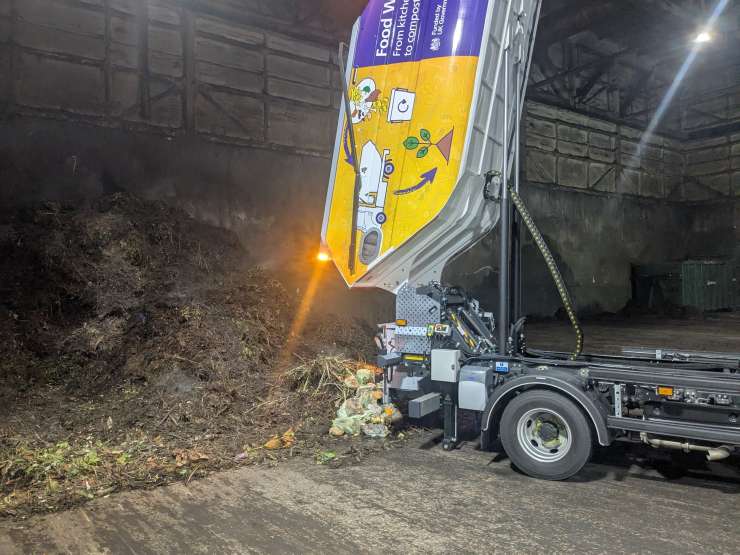
Our food waste collection service (pictured right) takes food waste and turns it into compost and soil conditioner to grow more food.
The food waste collected from residents’ outside bins is processed at the Woodlands In-vessel Composting facility, which also treats garden waste for reuse as compost.
3. Circular supplies
This model replaces finite, virgin, or toxic inputs with renewable, bio-based, or recyclable materials.
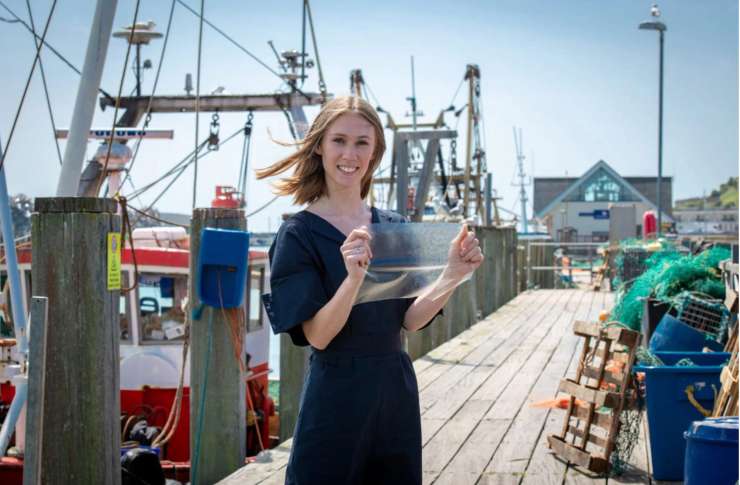
MarinaTex (pictured left), developed in Brighton, is a translucent, home-compostable alternative to plastic using marine waste.
The company is also developing other high-performance alternatives to fossil-based plastics. While fish waste sparked the idea, they now work with a wide range of natural polymers to create sustainable, scalable materials - for packaging, agriculture and beyond.
4. Sharing platforms
Sharing platforms offer shared access to products, services, or assets, reducing the need for individual ownership and minimising resource waste.
Brighton Borrowers is a Community Interest Company with a platform that allows people to borrow items when they need them and then return them to be used again by their neighbours.
5. Product as service
Customers pay for use, not possession – typically subscription-based, pay-per-use, or service-based. Businesses retain ownership of a product and sell its use or functionality rather than selling the product itself.
Gladrags offers subsidised costume hire packages, providing over 8,000 pre-loved costumes for professional stage and screen, youth and community groups, schools, amateur and fringe theatre, and the wider arts community.
Funding for this is boosted by hiring professional film and theatre companiesand providing vintage and theatrical party outfits to the public.