Appendix 2: Explanations of what some important words mean in our fire safety in tall buildings plan
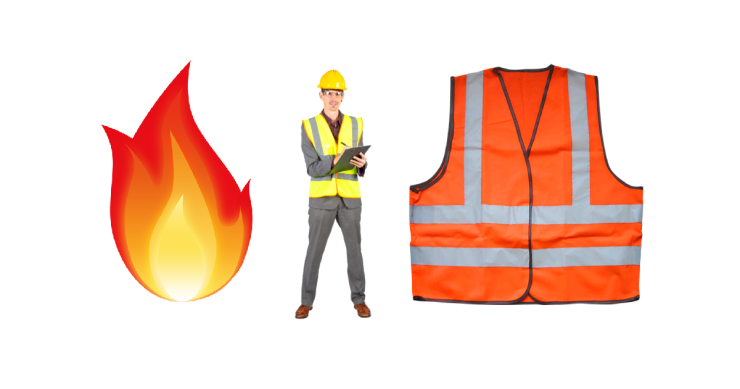
Main Safety Person [also known as ‘Accountable person (AP)’]
Who is in charge of safety?
- The Main Safety Person is in charge of keeping the building safe.
- They must try to stop fires from spreading.
- They must also make sure the building doesn't fall down.
The Main Safety Person
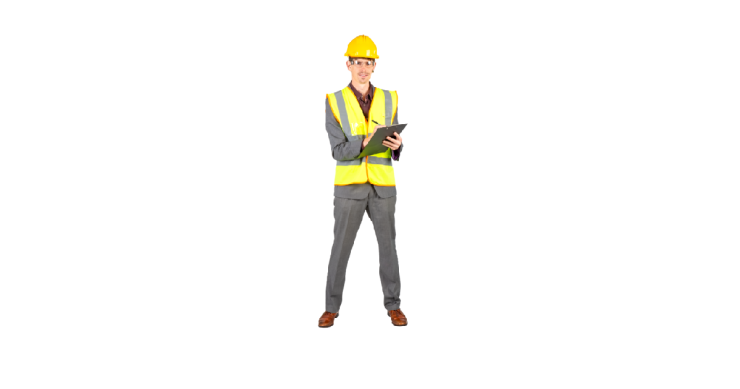
- Every building has a Main Safety Person.
- We call them the "Accountable Person" or "AP" for short.
Who can be the AP?
- It can be a person
- Or it can be a company
What does the AP do?
- They look after the shared parts of the building. (Like stairs, hallways, and lifts)
- They fix these shared parts when needed.
The AP's main job:
- To keep the building safe
How do they keep it safe?
- They try to stop fires from spreading.
- They make sure the building won't fall down.
The AP does everything they can to prevent danger.
They help make sure everyone in the building stays safe.
Every tall building must have a Main Safety Person.
We call them the "Principal Accountable Person" or "PAP" for short.
Who can be the PAP
- The person who owns the building OR
- The person in charge of fixing the building
What does the PAP do?
- They look after the outside of the building.
- They make sure the building structure is safe.
- They check for safety problems.
- They make sure problems get fixed.
- They follow all the safety rules.
Why is the PAP important?
- They help keep everyone in the building safe.
- They make sure the building follows all the safety laws.
The PAP is the most important person for building safety.
New Law for Safer Buildings [also known as ‘The Building Safety Act 2022’]
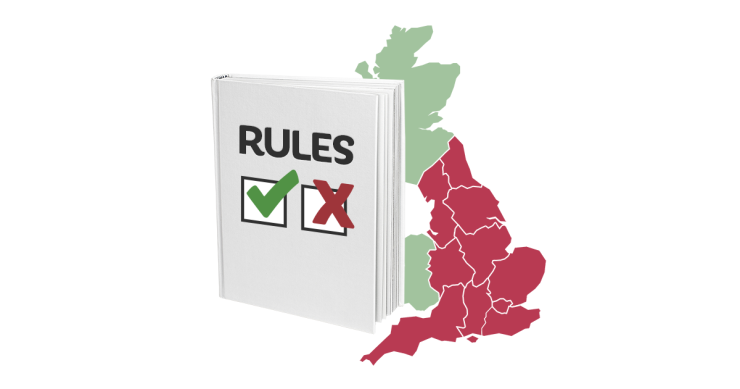
A new law started on 28 April 2022.
It's called the Building Safety Act.
What does this law do?
- It gives people living in buildings more rights.
- It gives them more power to speak up about safety.
- It protects people better.
How does it make buildings safer
- It changes old rules to make them better.
- It tells builders how to make safe homes.
- It explains how to look after buildings properly.
Why is this important?
- It helps keep people safe in their homes.
- It makes sure new buildings are built safely.
- It helps fix problems in old buildings.
This new law will help make all homes safer for a long time.
This new law will help make all homes safer for a long time.
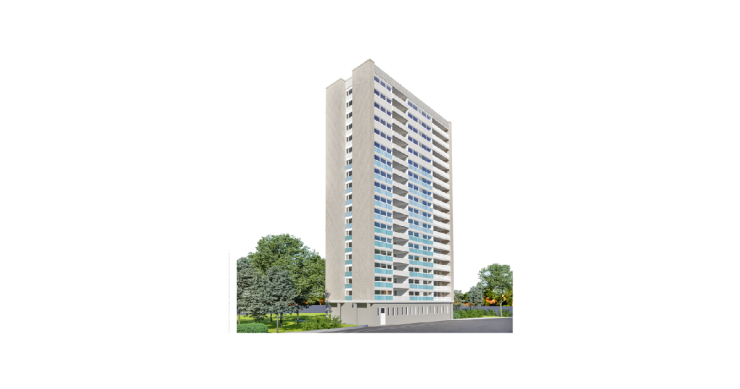
Tall buildings that need extra safety care
Some buildings need extra safety rules.
We call these "High-Risk Buildings" or "HRRBs" for short.
What makes a building "High-Risk"
A building is "High-Risk" if:
- It has at least 2 homes in it AND
- It is very tall
How tall
- At least 18 metres high (that's about as tall as 6 giraffes!) or
- At least 7 floors high
These special safety rules help keep people safe in tall buildings.
Checking for fire dangers [also known as ‘FRA (fire risk assessment)’]
The building owner must check for fire dangers.
We call this a "Fire Risk Assessment" or "FRA" for short.
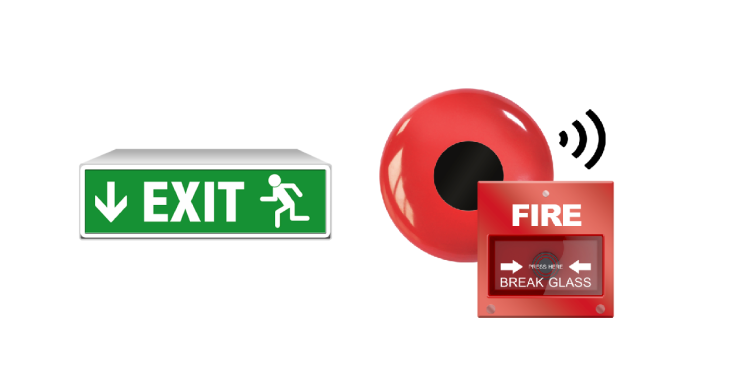
What happens in a Fire Risk Assessment?
- The building owner looks for things that could start a fire.
- They check if fire escape routes are clear.
- They make sure fire alarms work.
How often?
- The law says these checks must happen regularly.
Who is it for?
- It's to keep everyone safe:
- People who live in the building
- People who work there
- People who visit
If they find problems:
- They make a list of what needs fixing.
- They decide which problems are most important.
- The building owner must fix these problems.
This helps keep everyone safe from fires
Homing In
This is a newsletter for people living in council homes in Brighton & Hove.
It comes out 4 times a year.
It has news about housing.
The building safety checker [also known as ‘The Building Safety Regulator (BSR)’]
There's a new group that checks building safety.
We call them the "Building Safety Regulator" or "BSR" for short.
What is the BSR?
- It's a new team started by the government in 2022.
- It's part of a bigger group that keeps people safe at work.
- Makes buildings safer
- They make new safety rules.
- They check that people follow these rules.
- Looks after tall buildings
- They pay extra attention to very tall buildings where people live.
3. Checks all buildings
- They make sure all buildings are safe, not just tall ones.
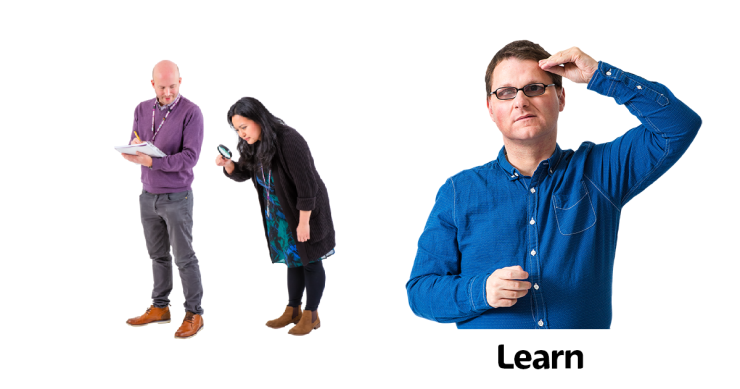
4. Helps people learn
- They teach builders and safety checkers to be better at their jobs.
Why is the BSR important?
- They help make sure all buildings are safe for people.
- They work hard to stop accidents in buildings.
The BSR is like a safety superhero for buildings!
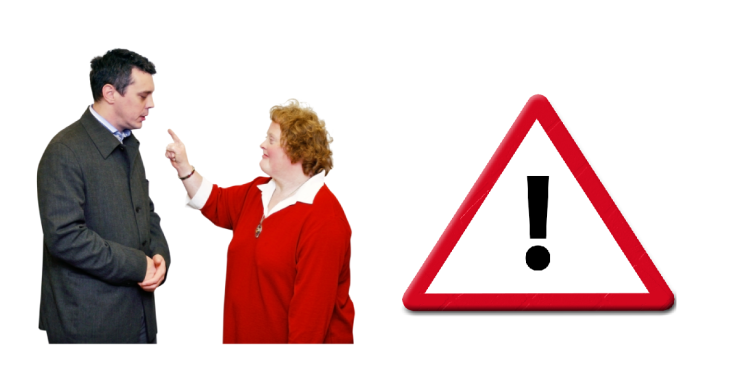
Reporting Big Safety Problems [also known as ‘Mandatory Occurrence Report’]
What is a big safety problem?
- It's something very dangerous in a building.
- If not fixed, it could hurt many people.
When we report big safety problems
We report when something could:
- Kill many people or
- Badly hurt many people
What kind of problems
- If the building might fall down
- If fire or smoke could spread quickly
Which buildings need these reports
Only very tall buildings:
- At least 7 floors high or
- At least 18 metres tall (as high as 6 giraffes)
And the building must be:
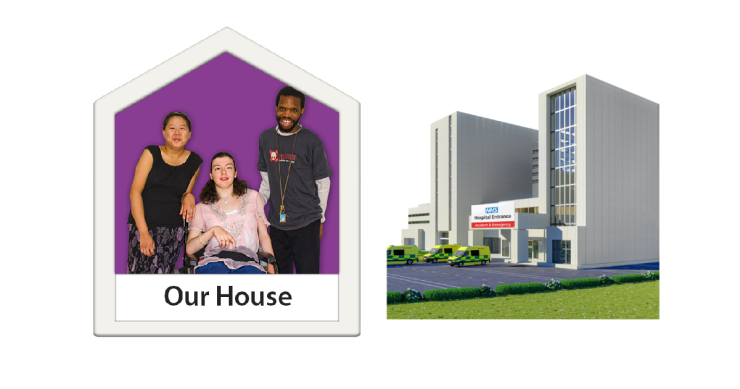
- A place where at least 2 families live OR
- A hospital OR
- A care home
Why do we do this?
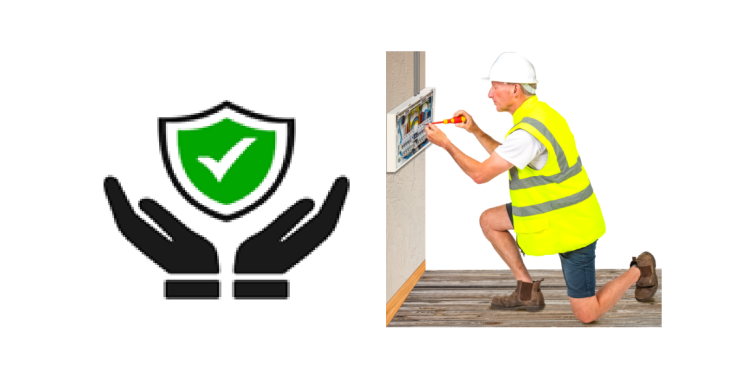
- To keep people safe
- To fix dangerous problems quickly
Remember: If you see something very dangerous, tell someone right away!