The benefits of Red Routes
Red Routes are already in place in many parts of the country and help to keep traffic moving in busy areas. This helps to improve journey times and reduce air pollution.
Red Routes also improve safety for:
- pedestrians - by preventing anti-social parking
- cyclists - who no longer need to manoeuvre around vehicles parked in cycle lanes or on double lines
- people using buses - with vehicles no longer parking in bus stops, it will be safer to board and alight
- drivers - who will no longer have to pull out to pass cars parked anti-socially
Using the Red Route marked bays
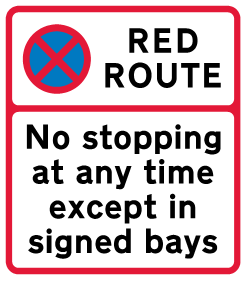
The switch to Red Routes is so that we can better enforce the parking restrictions already in place. There will be signs that tell you what the restrictions are.
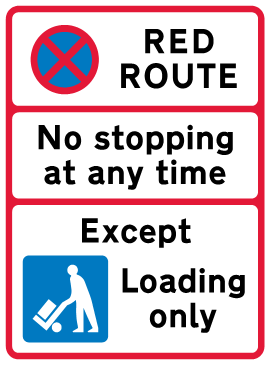
We will observe the loading bays using cameras, and we can issue Penalty Charge Notices if we see a vehicle parked and not actively loading or unloading.
Deliveries
Deliveries will only be able to take place in the designated loading bays.
If you are expecting large deliveries, moving house or having work done to a property on a Red Route, then you should apply for a parking bay suspension in advance.
Vehicle exemptions on Red Routes
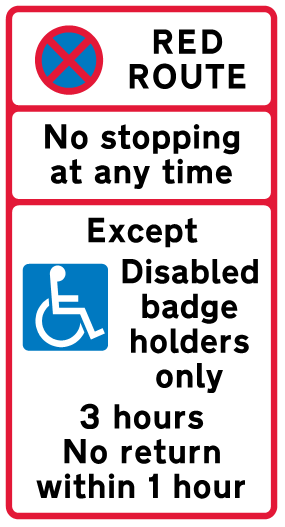
Blue Badge holders can be picked up or dropped off, so long as the vehicle is not parked. We will use discretion in cases where, for example, a wheelchair is being taken out of a vehicle.
Licensed Hackney Carriages and private hire vehicles can stop to pick up or drop off passengers.
Emergency services and Brighton and Hove Council refuse and recycling vehicles are exempt from restrictions, but not at bus stops.
Commercial waste vehicles can stop to carry out waste collection activities, but only on the double red lines and must move on once these activities have finished.
How we enforce restrictions on Red Routes
If you were to park on a Red Route, we have the legal powers to issue PCNs using CCTV. This would be alongside on-site work from our Civil Enforcement Officers.
The charge for receiving a PCN for stopping on a Red Route will be £70, reduced to £35 if paid in 14 days.
This is the same as the current PCN charge for stopping on double yellow lines, bus stops or entering bus lanes.
How to pay a PCN.
How to appeal a PCN.